
Fat10 group - Pr Réjane Paumelle-Lestrelin
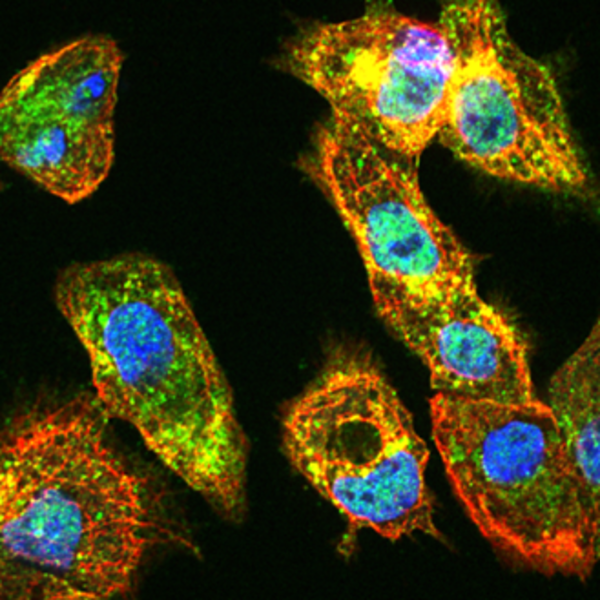
Immunofluorescence showing the development of a protein aggregate, also known as Mallory-Denk bodies, in an in vitro hepatocyte
Presentation of the research topics :
MASLD, a liver disease linked to metabolic disorders, now affects nearly a quarter of the world's population and is progressing rapidly, particularly among obese or diabetic individuals. This often silent condition can progress from a simple accumulation of fat in the liver to a severe inflammatory form, MASH, which can lead to cirrhosis or liver cancer. With its prevalence constantly increasing, MASLD is set to become the leading cause of liver transplantation in the coming decades. In severe forms, liver cells called hepatocytes become ‘ballooned’ and/or senescent: they swell and accumulate abnormal protein aggreagtes called Mallory-Denk bodies. The presence of these cells is a sign of significant liver damage, but the mechanisms that lead to their appearance remain unclear. Despite the scale of the problem, available treatments are few and often insufficient. Some promising drugs, such as PPARα agonists, have failed to halt or reverse the disease, showing that we do not yet fully understand why some patients respond poorly to therapies.
In this context, our research group is committed to gaining an in-depth understanding of the cellular and molecular mechanisms underlying disease progression. We seek to identify the factors that lead to chronic liver inflammation, liver cell damage and, ultimately, the onset of serious complications. A better understanding of these mechanisms is an essential step in developing appropriate therapeutic strategies. Our team uses an integrated approach combining several levels of study: mouse models to examine the progression of the disease in a whole organism; in vitro cellular and molecular analyses to decipher the biological pathways involved; and translational studies to bring our discoveries closer to clinical realities and patient needs. Thanks to this complementary approach, we have recently identified FAT10/UBD, a protein from the ubiquitin-like family, as a potential player in the progression of the disease. This discovery opens up promising prospects for the development of new therapeutic targets, at a time when the medical and scientific community is seeking solutions capable of treating the most severe forms of the disease. Through this work, our ambition is to contribute to improving patient care and to participate in the collective effort to slow the progression of this rapidly expanding metabolic disease.
Key words
MASLD ; MASH ; nuclear receptors ; FAT10/UBD; liver damage ; metabolic disease ; inflammation
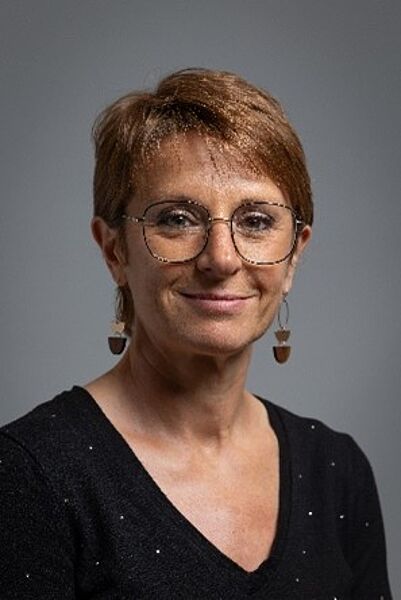
Réjane Paumelle-Lestrelin, PhD, HDR
Professor, Lille University, Group leader
ORCID : 0000-0002-4489-0717
rejane.lestrelin[@]univ-lille.fr
As a professor of cellular biology in the pharmacy department of the UFR3S at the University of Lille since 2009, I devote my work to gaining a detailed understanding of the cellular and molecular mechanisms underlying cardiometabolic diseases, with the aim of contributing to the emergence of new therapeutic strategies. My research lies at the intersection of fundamental biology and major clinical issues related to metabolism and cardiovascular diseases. I obtained a PhD in Life and Health Sciences in 2000 from the University of Lille at the Lille Institute of Biology (EP560), where I explored the signalling pathways activated by HGF/SF and its Met receptor in cancerous epithelial cells, contributing to a better understanding of key mechanisms of tumorigenesis. I then continued my scientific career at U545, under the supervision of Professor Bart Staels, where my postdoctoral research focused on the anti-inflammatory properties of statins and the central role of the PPARα nuclear receptor in macrophages, work that reinforced my interest in the interactions between inflammation, metabolism and cell signalling.
My academic career took shape in 2005, when I obtained a position as Senior Lecturer, allowing me to join UMR1011, headed by Professor Bart Staels. After obtaining my accreditation to supervise research in 2008, I was successively appointed First Class University Professor in 2009, promoted to Second Class in 2018, and then to Exceptional Class in 2022. Today, my research activities focus on the study of cellular and molecular mechanisms involved in cardiovascular and metabolic diseases, in particular metabolic steatohepatitis (MASH). My goal is to identify innovative biological targets and contribute to the development of high-potential therapeutic solutions for these rapidly expanding pathologies.
Main collaborations:
U1011: teams 2, 4 and 6
U1190: team led by F. Pattou and G. Lassailly (Lille Regional University Hospital, Digestive Surgery and Transplantation Department, Lille University Hospital)
U1177: team led by B. Déprez (IPL, Lille)
U8161: team led by C. Abbadie (OncoLille)
Genfit SA (Lille),
TWI2N: S. Francque (Antwerp University Hospital, Department of Gastroenterology, Hepatology and Translational Sciences in Inflammation and Immunology, Antwerp, Belgium
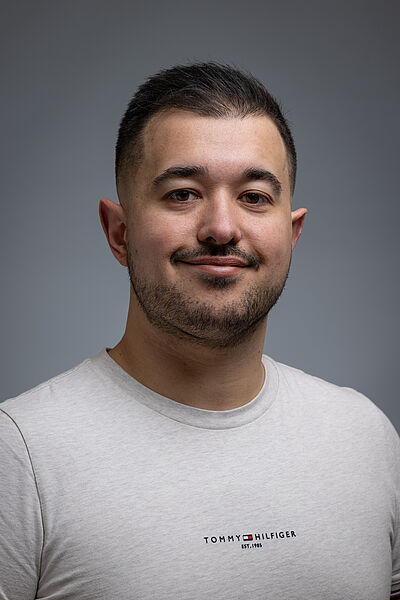
Cyril Bourouh, PhD
Research engineer, Lille University
ORCID : 0000-0003-0206-0915
With a PhD in Molecular and Cellular Aspects of Biology obtained in 2021, I studied under the supervision of Dr Jean-Sébastien Annicotte at UMR1283 (Prof. Philippe Froguel), the role of the transcription factor E2F1 in function (insulin secretion in response to GLP-1) and the identity of pancreatic β cells in type II diabetes. I then continued my scientific formation with a postdoctoral fellowship in Dr Amélie Bonnefond's team, where I studied the role of the opioid receptor (OPRD1) in pancreatic β cell function. Eager to discover a new scientific environment, I then completed a second postdoctoral fellowship at UMR1011, under the supervision of Prof. Réjane Paumelle-Lestrelin, where I studied the role of Fat10 in the formation of Mallory-Denk bodies in MASH (France Relance Project).
Currently, as a research engineer, I am working on the development and characterisation of a murine model of Fat10 deletion in hepatocytes, which allows for a better study of the role and functions of Fat10 in the development of MASH, senescence, and the formation of Mallory-Denk bodies. In addition to my research activities at the UMR, I am also responsible for research support tasks, including managing the unit's communications (updating the website, managing the LinkedIn account), organising laboratory meetings, implementing and monitoring health and safety procedures (Prevention Assistant), and other management tasks within the unit.
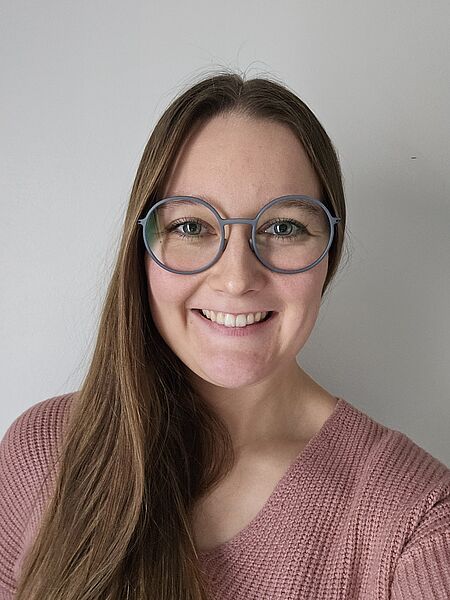
Chloé Blondel, PhD
Temporary teaching and research fellow, Lille University
ORCID : 0009-0007-0156-689X
Holder of a PhD in Physiology obtained in 2025, carried out under the supervision of Dr. Kadiombo Bantubungi-Blum within Team 1 of UMR1011, my doctoral research project focused on the roles of a nuclear receptor in different structures of the central nervous system.
I am currently a Temporary Teaching and Research Assistant (ATER) at the University of Lille. My teaching activities take place within the Physiology department of the Faculty of Pharmacy of Lille, and my research activities are conducted within Team 1 of UMR1011 under the supervision of Prof. Réjane Paumelle-Lestrelin. My current research focuses on the role of FAT10 in the regulation of hepatocyte senescence during the progression of MASH.

Cindy Nguyen, PhD
Temporary teaching and research fellow, Lille University
ORCID : 0009-0003-2718-3230
After obtaining my state-certified Doctor of Pharmacy degree in Montpellier, I decided to pursue a career in academic research. I completed a PhD in biological sciences at the Blood-Brain Barrier Laboratory (LBHE) at the University of Artois, under the supervision of Professor Fabien Gosselet. My thesis focused on the impact of oxysterols on the blood-brain barrier in the context of neurodegenerative diseases.
I am currently an assistant professor at UMR 1011 in Prof. Réjane Lestrelin's team. In addition to teaching physiology at the Faculty of Pharmacy in Lille, my research focuses on the mechanisms of PPARα resistance to its agonists in the context of MASH.
Arthur Cens,
PhD student, Lille University
Currently PhD student in Team 1 of UMR1011, I am working on a thesis project entitled ‘Role of FAT10 in the formation of Mallory-Denk bodies during the development of MASH’. Previously, I obtained a bachelor's degree in BCPA (Cell Biology and Animal Physiology) before pursuing a Master's degree in BBRT (Biology, Biotechnology and Therapeutic Research) at the University of Nantes. My studies focused heavily on cardiovascular and respiratory physiology as well as the biology of the musculoskeletal system. I completed my Master's internships in the muscle team at UMR-1089/TaRGeT, working on Duchenne muscular dystrophy (DMD) and studying the expression of the TRPC3 channel and NOX2 NAPDH oxidase in in vivo and in vitro models. I then worked for a year as a research engineer and developed the generation of muscle organoids from iPSCs. Today, thanks to the thesis grant I obtained in the doctoral school competition, I am studying the involvement of a ubiquitin-like modifier in the formation of protein aggregates in the context of hepatocyte distress (ballooning) during MASH. During these studies, I had the opportunity to work at the clinical level with transcriptomic data from different cohorts of obese patients, coupled with in vivo and in vitro studies.
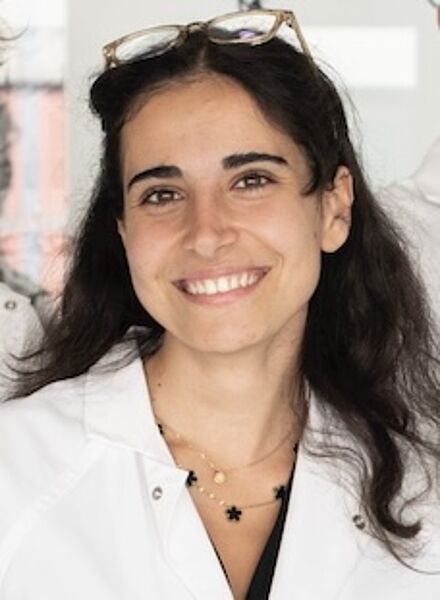
Lama Habbouche, PhD
Postdoctoral fellow, Institut Pasteur de Lille
lama.habbouche[@]pasteur-lille.fr
I obtained my PhD in Molecular and Cellular Aspects of Biology from Université Côte d'Azur in March 2026. I conducted my doctoral research at the C3M Research Center (UMR1065), under the supervision of Dr. Laurent Yvan-Charvet and Dr. Béatrice Bailly-Maître. My PhD focused on the role of IRE1α endoribonuclease activity in liver fibrosis progression, investigating the interplay between endoplasmic reticulum stress, hepatic metabolism—particularly glutamine metabolism—and fibrotic remodeling.
I am currently a postdoctoral researcher at UMR1011 under the supervision of Professor Réjane Paumelle-Lestrelin. My research focuses on the role of FAT10 in regulating hepatocyte fate during metabolic dysfunction-associated steatohepatitis (MASH), with particular interest in its involvement in cellular stress responses, proteostasis, and liver fibrosis. More broadly, my work aims to uncover the molecular mechanisms driving the progression of chronic metabolic liver diseases and to contribute to the identification of new therapeutic targets.
Recent news:
- Awarded €430,000 in ANR PRC ‘Fat10MASH’ funding to study the role of Fat10 in the development of hepatocyte suffering and resistance to Ppara agonists
- Participation and co-organisation of the 2025 Science Festival on the theme of ‘Intelligence’
The skills developed within the Fat10 group are:
- Cell biology: models of hepatocyte stress and senescence (human hepatocyte lines, primary murine hepatocytes)
- Histology: immunohistochemistry, immunofluorescence, RNAscope, confocal microscopy
- Molecular biology: real-time PCR, Western blot, Co-IP, PLA, proteomics.
- Preclinical models: genetically modified models, viral infection, MASH models, fibrosis, acute inflammation, sepsis
- Clinical studies: histological and omics analyses of human liver samples.
List of main publications published by the Fat10 group:
Clavreul L, Bernard L, Cotte AK, Hennuyer N, Bourouh C, Devos C, Helleboid A, Haas JT, Verrijken A, Gheeraert C, Derudas B, Guille L, Chevalier J, Eeckhoute J, Vallez E, Dorchies E, Van Gaal L, Lassailly G, Francque S, Staels B, Paumelle R. The ubiquitin-like modifier FAT10 is induced in MASLD and impairs the lipid-regulatory activity of PPARa. Metabolism. 2024 Feb:151:155720. doi: 10.1016/j.metabol.2023.155720.
Bobowski-Gerard M, Boulet C, Zummo FP, Dubois-Chevalier J, Gheeraert C, Bou Saleh M, Strub JM, Farce A, Ploton M, Guille L, Vandel J, Bongiovanni A, Very N, Woitrain E, Deprince A, Lalloyer F, Bauge E, Ferri L, Ntandja-Wandji LC, Cotte AK, Grangette C, Vallez E, Cianférani S, Raverdy V, Caiazzo R, Gnemmi V, Leteurtre E, Pourcet B, Paumelle R, Ravnskjaer K, Lassailly G, Haas JT, Mathurin P, Pattou F, Dubuquoy L, Staels B, Lefebvre P, Eeckhoute J. Functional genomics uncovers the transcription factor BNC2 as required for myofibroblastic activation in fibrosis. Nat Commun. 2022 Sep 10;13(1):5324. (IF: 17,69).
Grzych G, Chávez-Talavera O, Descat A, Thuillier D, Verrijken A, Kouach M, Legry V, Verkindt H, Raverdy V, Legendre B, Caiazzo R, Van Gaal L, Goossens J-F, Paumelle R, Francque S, Pattou F, Haas JT, Tailleux A, Staels B. NASH-related increases in plasma bile acid levels depend on insulin resistance. JHEP Report. 2020, Dec. (IF: 7).
Grzych G, Vonghia L, Bout MA, Weyler J, Verrijken A, Dirinck E, Chevalier Curt MJ, Van Gaal L, Paumelle R, Francque S, Tailleux A, Haas JT, Staels B. Plasma BCAA Changes in Patients With NAFLD Are Sex Dependent. J Clin Endocrinol Metab. 2020 Jul 1;105(7) (IF: 5,65).
Deleye Y, Cotte AK, Hannou SA, Hennuyer N, Bernard L, Derudas B, Caron S, Legry V, Vallez E, Dorchies E, Martin N, Lancel S, Annicotte JS, Bantubungi K, Pourtier A, Raverdy V, Pattou F, Lefebvre P, Abbadie C, Staels B, Haas JT, Paumelle R. CDKN2A/p16INK4a suppresses hepatic fatty acid oxidation through the AMPKα2-SIRT1-PPARα signaling pathway. J Biol Chem. 2020 Oct 9:jbc.RA120.012543 (IF: 5,157).
Paumelle R*, Haas J*, Hennuyer N*, Bauge E*, Deleye Y, Mesotten D, Langouche L, Vanhoutte J, Cudejko C, Wouters K, Hannou SA, Legry V, Lancel S, Lalloyer F, Polizzi A, Smati S, Gourdy P, Vallez E, Bouchaert E, Derudas B, Dehondt H, Gheeraert C, Fleury S, Tailleux A, Montagner A, Wahli W, Van Den Berghe G, Guillou H, Dombrowicz D, Staels B. Hepatic PPARα is critical in the metabolic adaptation to sepsis. J Hepatol. 2019 Jan 21. pii: S0168-8278(19)30027-3. *contribute equally as first co-authors (IF=25,083).
List of Fat10 group funders:

List of the former members of Fat10 group:
Lucie Bernard, Etudiante en thèse (2019-2024)
Ludivine Clavreul, Etudiante en thèse (2018-2023)
Sadia Raab, Chercheure post-doctorante (2022-2024)
Fabienne Glacial, Ingénieure d'étude (2022-2024)
Claire Devos, Ingénieure d'étude (2022-2024)